National migration rate
Share of India’s population classified as migrants in the 2020–21 national survey.
MoSPI · Migration in India 2020–21Umoja Asset Management
A pure-play platform exclusively focused on institutionally owned workforce housing in India’s employment corridors.
Investment discipline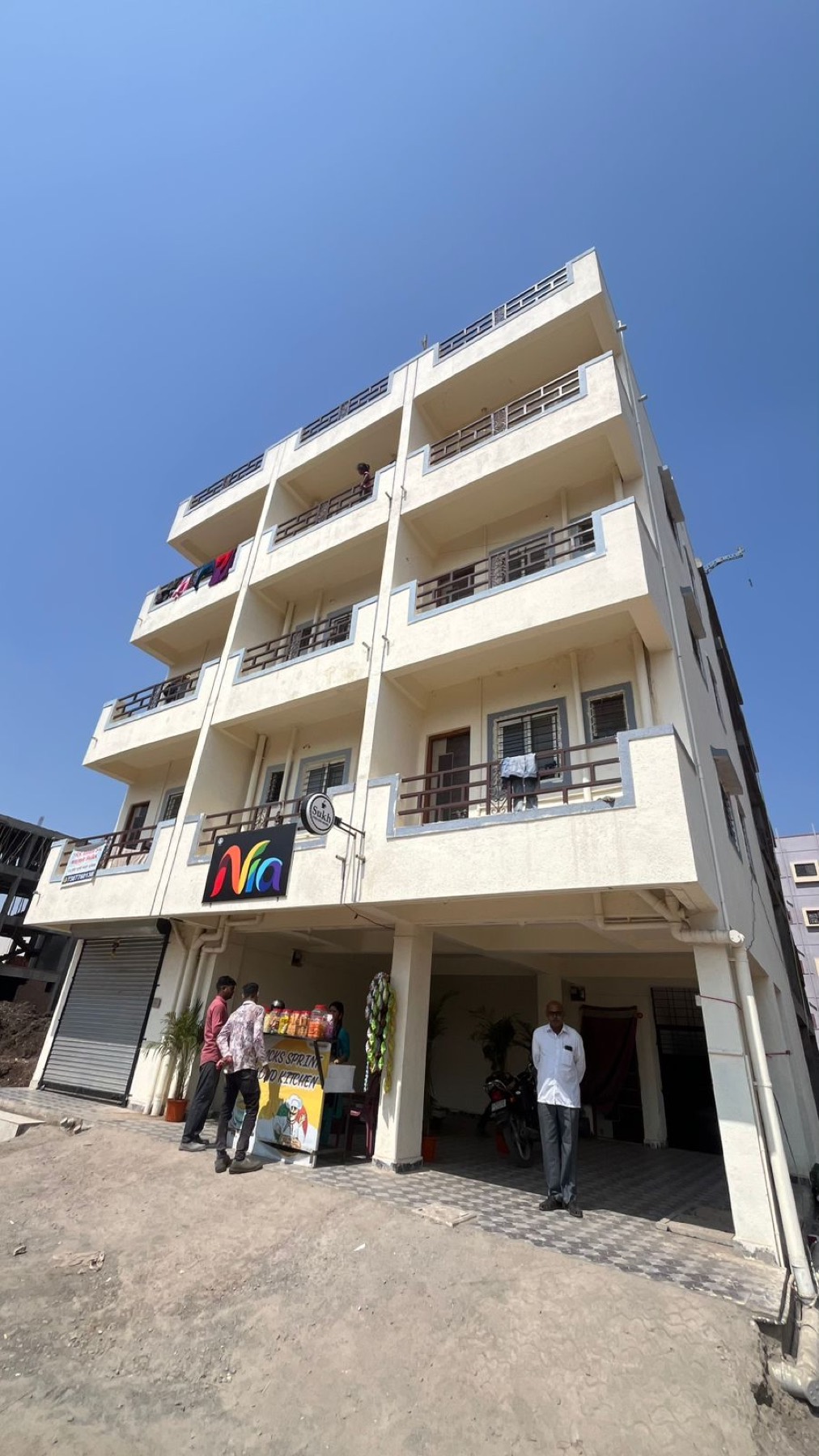
Operating base built in the first eight months of the studio model.
*Calculated at 100 sq ft per Member across the operating base.
Why workforce housing
The factories, warehouses and industrial parks powering India’s growth depend on a mobile workforce—and on housing that allows that workforce to stay.
The structural case
Manufacturing capacity is concentrating in a small number of employment corridors. Labour remains mobile; suitable housing close to work remains fragmented. That mismatch is the long-duration demand driver.
Share of India’s population classified as migrants in the 2020–21 national survey.
MoSPI · Migration in India 2020–21Average annual flow of interstate, work-related migrants estimated for 2011–16.
Economic Survey 2016–17Annual job creation India needs through 2030 to sustain its growth trajectory.
NITI Aayog / PIB · 2024People engaged in India’s registered factory sector in FY24, up 5.92% year on year.
MoSPI · ASI 2023–2401 · Concentration
India’s National Industrial Corridor Programme spans 11 corridors and 32 projects. In FY24, the five largest manufacturing states accounted for approximately 55% of registered factory employment.
02 · Constraint
NITI Aayog identifies inadequate, proximate and affordable worker housing as a manufacturing bottleneck, linking poor accommodation to attrition, reduced productivity and workforce instability.
Sources: NICDC, MoSPI Annual Survey of Industries 2023–24 and NITI Aayog S.A.F.E. Accommodation report.
The retention signal
When a worker cannot find safe, affordable housing close to a plant, the employer absorbs the consequences through commuting friction, early exits, repeat recruitment and unstable shift staffing.
Source: TeamLease, A Staffing Perspective on Manufacturing, 2025. Housing linkage: NITI Aayog, 2024.
Corridor intelligence
There is no reliable official estimate of the workforce-housing capacity gap at corridor level. Umoja therefore treats demand as an evidence problem: triangulating employment, occupied stock, affordability, commute and retention before forming a view.
Automotive, components, logistics and warehousing along the Delhi–Mumbai corridor.
Shift hiring, commute radius, occupied informal stock, Member-fee burden.
Automotive and engineering cluster within Maharashtra’s manufacturing base.
Contract-worker intake, employer transport routes, Member turnover, collection performance.
Electronics, EV, automotive and precision manufacturing near Bengaluru.
Plant expansion, women-worker safety, commute friction, compliant supply.
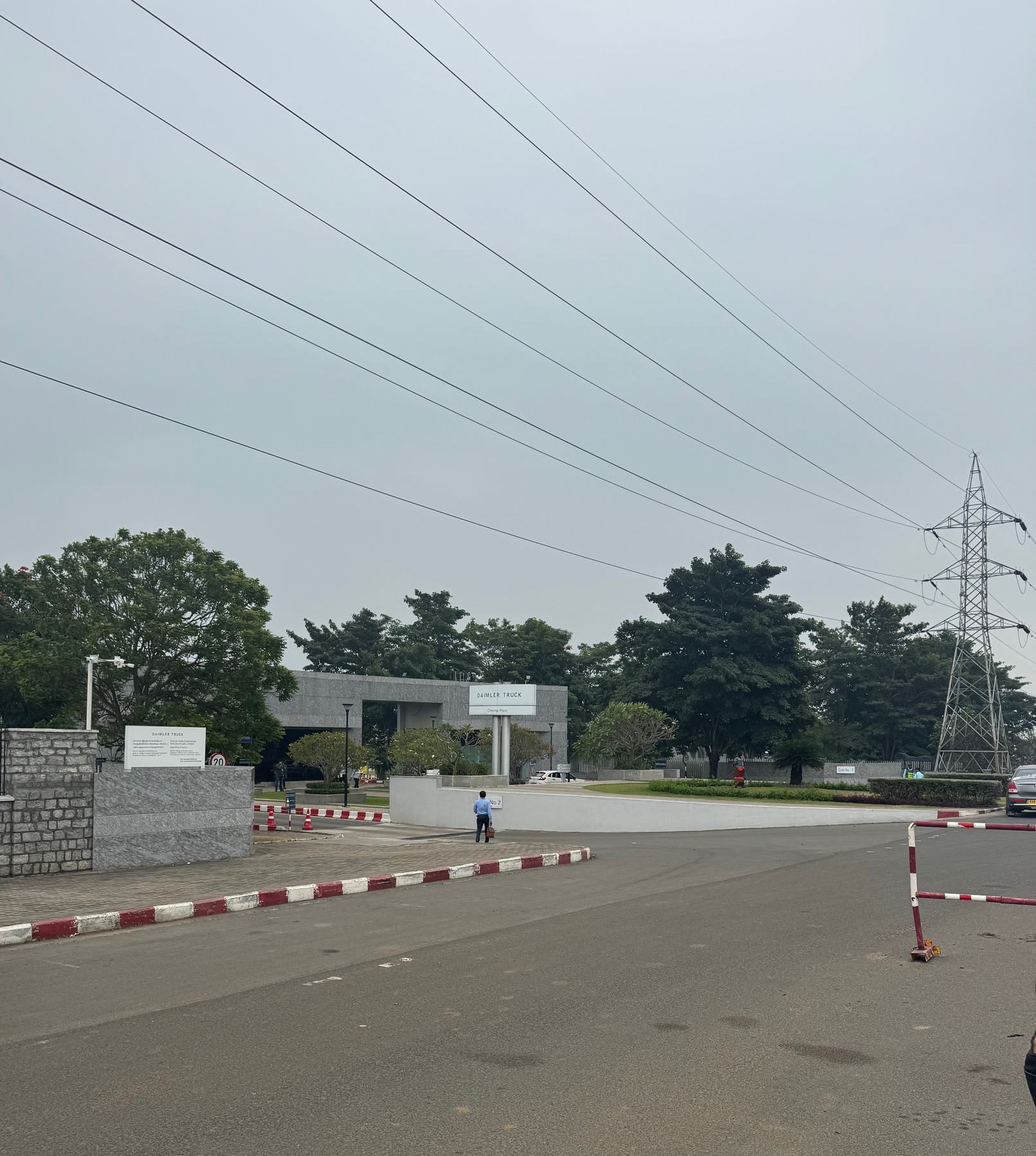
Electronics and automotive manufacturing within Tamil Nadu’s leading factory ecosystem.
Vendor hiring, shift density, occupancy persistence, affordability threshold.
Investment approach
We underwrite to operational reality, not just financial models.
Existing income-producing assets in proven employment corridors.
Common operating, safety, reporting and Member-service standards.
Long-duration asset management focused on occupancy resilience and cash-flow durability.
How we work
We target high-employment industrial corridors with durable housing need.
Assets and operating evidence are reviewed with rigorous, on-the-ground diligence.
Property performance is measured against consistent, decision-useful standards.
We manage for resilience, affordability and relevance through market cycles.
Research library
The Umoja operating platform
Nia is a brand owned by Umoja Marketplace Technologies Private Limited. It operates the living platform across Umoja’s workforce-housing ecosystem.
Living, Essentials and Walk2Work sit on one Member relationship—giving the platform a direct view of how employment, affordability and daily life affect asset performance.
The operating network provides direct visibility into corridor demand, occupancy, collections, affordability, retention and Member outcomes—turning daily property activity into investment intelligence.

For institutional investors