Depth matters more than a single anchor
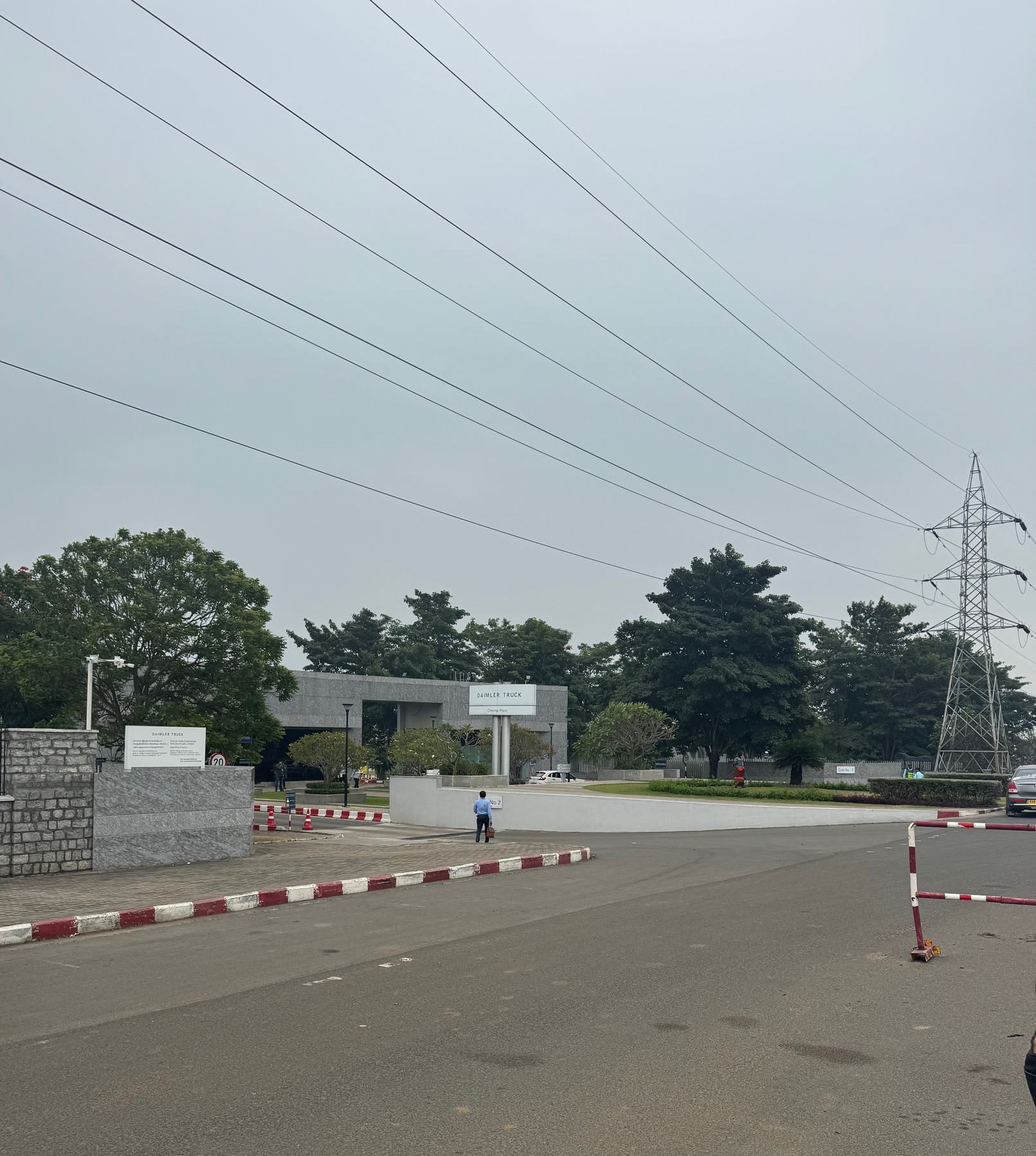
Chakan’s relevance comes from the depth of its manufacturing ecosystem. Large plants sit within networks of suppliers, logistics providers, staffing firms and service businesses. This creates multiple sources of employment demand across a broad geography rather than one isolated workforce catchment.
For housing, that breadth can be valuable—but only when a property is positioned against real shift patterns and transport routes. Distance measured on a map is less useful than reliable door-to-work access at the times Members actually travel.
Why informal supply is not the complete answer
Industrial growth typically produces rental rooms, hostels and shared accommodation. That supply is important, but quality and operating consistency vary widely. Safety, sanitation, documentation, maintenance and predictable payments may depend on individual landlords rather than a measurable system.
Institutional workforce housing does not need to displace every informal option. It should provide a differentiated standard for Members and a more legible asset for long-duration owners.
Operating density creates information
A corridor with multiple properties and Members can generate a clearer view of occupancy, collections, retention, maintenance and movement than a single isolated building. Nia’s role is to operate that layer across Living, Essentials and Walk2Work, with NiaBooks as the portable Member record and RafiQi as the support interface.
The purpose of this operating information is disciplined decision-making. It does not remove market risk, and public scale should not be confused with a forecast of financial performance.
The investment questions
An institutional review should test employer diversity, property compliance, transport reliability, rental alternatives, asset durability and the ability to operate consistently at an affordable Member price point. It should also examine whether ownership, asset management and operations remain properly separated.
Chakan–Pune offers a strong manufacturing context for those questions. The answer still depends on the specific property, catchment and operating plan.
Public policy context
This educational note should be read alongside primary public information. Ministry of Commerce and Industry — Production Linked Incentive context.