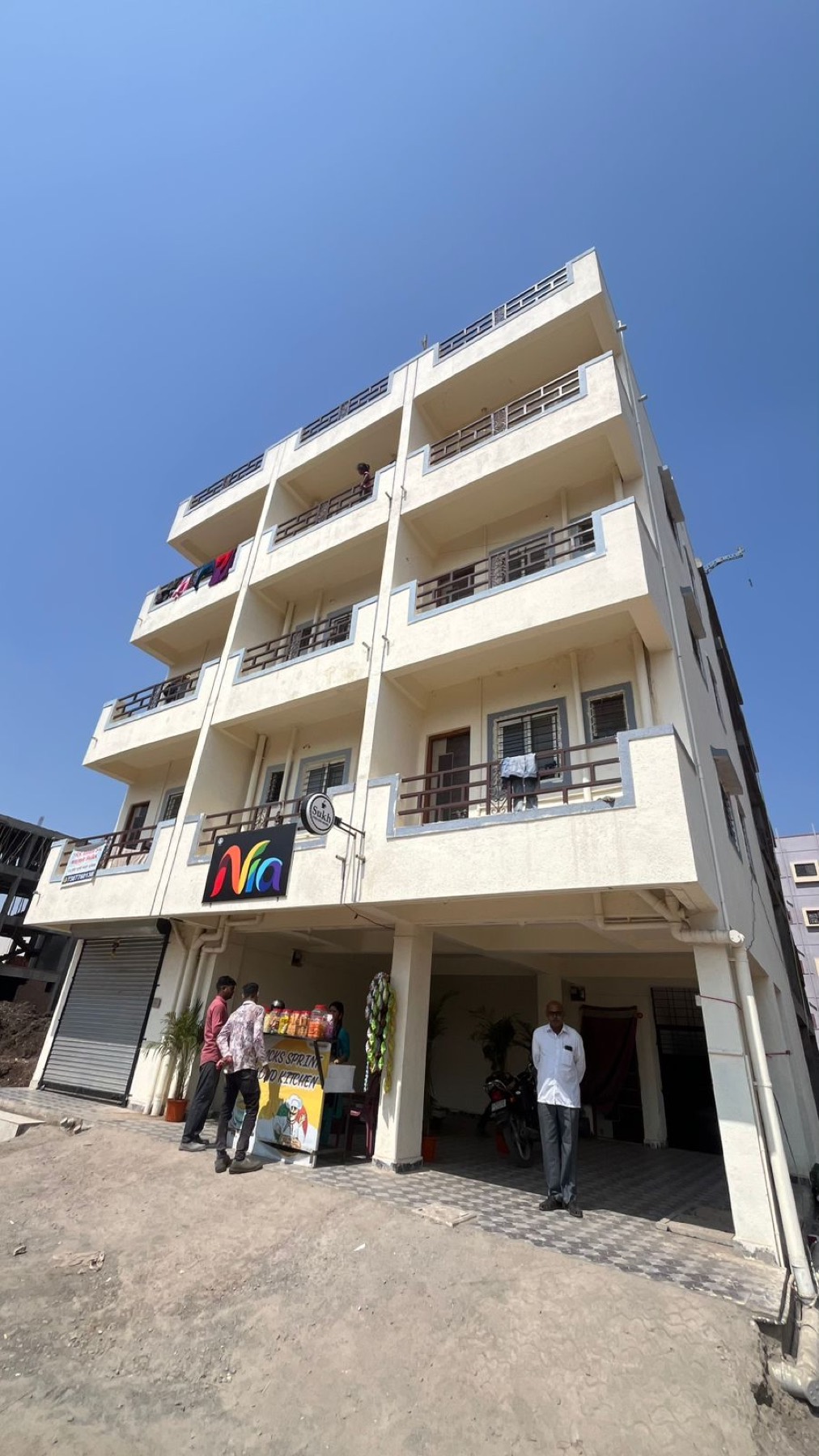
Housing belongs in the industrial-infrastructure conversation
Manufacturing capacity is usually discussed through land, power, logistics and plant investment. Yet every operating facility also depends on people reaching the corridor, finding a safe place to live and remaining connected to work. When rental supply is fragmented or distant from employment, the cost appears indirectly—in longer commutes, unstable occupancy, repeated onboarding and avoidable pressure on worker income.
India’s own affordable-rental policy recognises this connection. The Ministry of Housing and Urban Affairs describes rental housing close to workplaces as an ease-of-living requirement for urban migrants and industrial workers. The institutional question is how that need can be addressed through assets that are compliant, durable, professionally operated and responsive to local demand.
What makes the category institutional
Institutional workforce housing is not defined by scale alone. It requires clear ownership, documented governance, repeatable asset standards, disciplined capital allocation and continuous operating information. The property must function as real estate, while the operating system must manage occupancy, collections, safety, maintenance and Member continuity.
Umoja separates these roles deliberately. Investor-owned Theatre SPVs hold the properties. Umoja Asset Management provides the asset-management platform. Nia provides the operating layer. This structure is intended to make ownership, management and operations legible rather than collapsing them into one undifferentiated business.
The corridor is the relevant unit of demand
A national housing shortage is too broad to underwrite. Even a city can be the wrong unit when factories, logistics parks, transport routes and worker accommodation form a distinct employment geography at the edge of an urban region. Demand therefore has to be understood corridor by corridor and property by property.
Umoja’s public operating focus spans Farrukhnagar–Gurugram, Chakan–Pune, Hosur and Sriperumbudur–Oragadam. Each has different employers, transport patterns, rental alternatives and workforce flows. The common method is to look for proven employment density, recurring migration and a credible path to institutional asset quality.
What long-duration capital should examine
The useful questions are practical: Is employment durable? Does the location reduce friction between living and work? Can the building meet measurable safety and compliance standards? Is there enough operating visibility to distinguish temporary demand from a resilient corridor? Can capital and operating responsibilities remain aligned over time?
These questions do not remove risk, and they do not imply an available investment product. They define a research agenda for assessing a specialised real-assets category with both physical and social infrastructure characteristics.
Public policy context
This educational note should be read alongside primary public information. Ministry of Housing and Urban Affairs — Affordable Rental Housing Complexes.